| Tsumago | 42nd of the 69 Nakasendo post towns; Magome is the 43rd |
|---|---|
| Preservation | one of the first Important Preservation Districts for Groups of Traditional Buildings, chosen 4 September 1976; district covers 1,245.4 ha |
| Residents’ charter | drawn up in 1968; a town preservation ordinance followed in 1973 |
| Okuya | the waki-honjin, built in 1877, is an Important Cultural Property and open to visitors |
| Tsumago to Magome Pass | about 6.0 km on the nature trail via Odaki and Medaki waterfalls (Japanese Wikipedia); Nagiso Station is about 4.0 km |
| Magome | about 600 m of stone-paved slope; the old street burned in 1895 and 1915 and was rebuilt; in Gifu Prefecture since 2005 |
Quietly lying in the Kiso Valley of Nagano Prefecture, Tsumago is a picture-perfect slice of historic Japan for any tourist. Once a vital post town on the Nakasendo Trail, which connected Kyoto and Edo (modern-day Tokyo) during the Edo Period, Tsumago is one of the best destinations to experience old-world Japan.
For a quieter stop on a Japan tour, Tsumago is a small post town in the Kiso Valley that few itineraries include. This guide covers what is there and how to walk to Magome.
Explore the Historic Nakasendo Trail
Walking along the Nakasendo Trail is one of the top things to do in Tsumago according to Asbolute Asia Tours’s experience. This ancient route was once traveled by feudal lords and merchants and has turned into a beautiful hiking path.
The walk between Tsumago and Magome, another post town, is especially famous as the walk takes you through lush forests, past waterfalls, and quaint countryside houses. Along the way, you can drop by small teahouses to taste free green tea and sit by rest stops to enjoy the tranquil surroundings. The path is a maintained nature trail, so it suits most walkers.
Stroll Through the Preserved Townscape
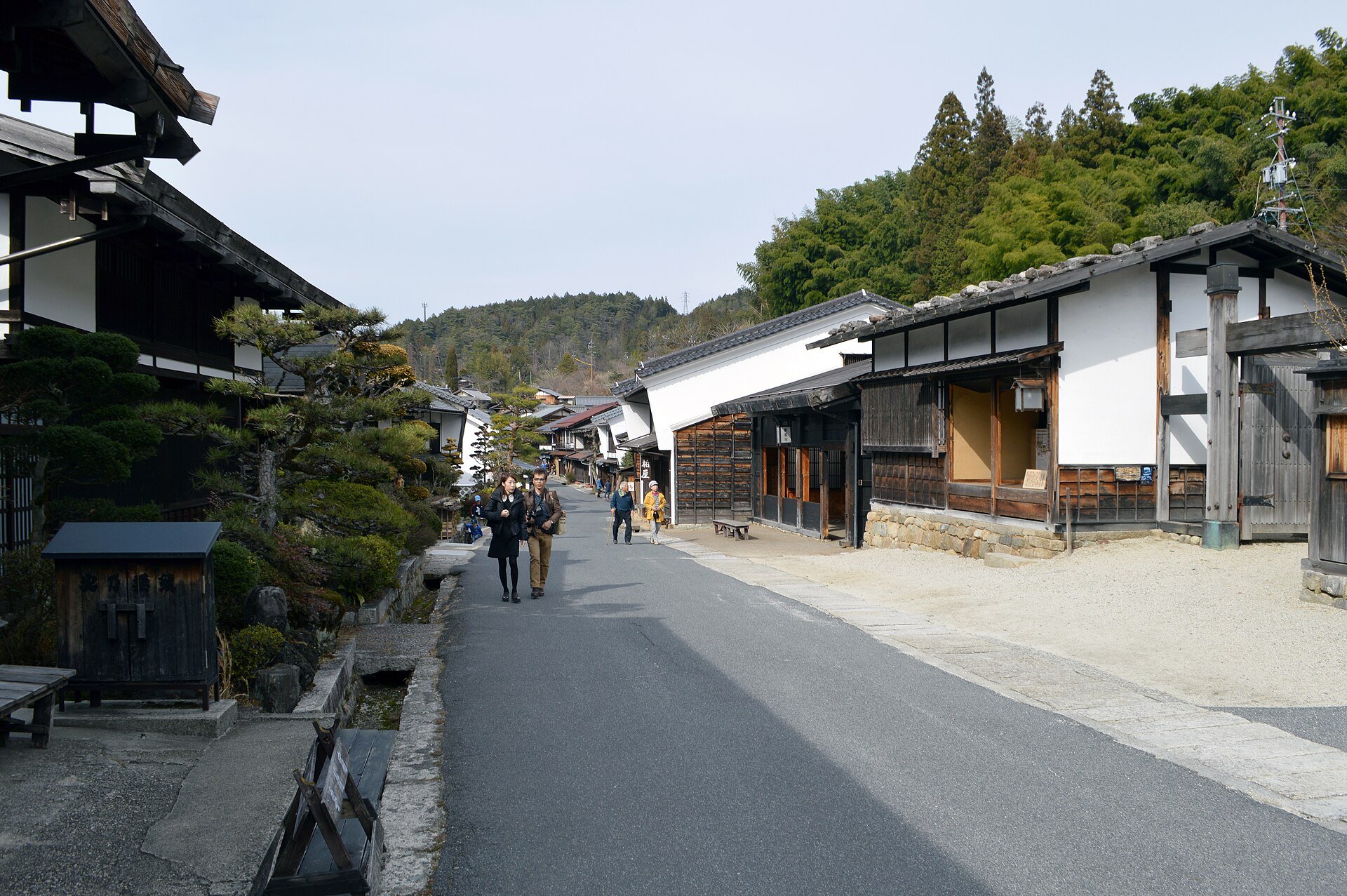
The wooden buildings along the main street have been preserved in their Edo-period form. Small shops sell crafts and sweets, and inns and tea houses serve seasonal food.
Visit Tsumago’s Historic Landmarks
Tsumago is rich in history, and its landmarks reflect the town’s storied past. If you are intrigued by the local history, consider starting your exploration at the Tsumago-juku Honjin and Waki-honjin, once home of traveling samurai and feudal lords. As these buildings have been well restored and now function as museums, you can study even more about the customs and architecture of the Edo Period in Japan.
Experience the Hospitality of a Ryokan
Staying overnight in a ryokan, a traditional inn, is the best way to see the village after the day visitors leave. Rooms usually have tatami mats and futon bedding, with a multi-course dinner of local ingredients, and some inns have hot baths.
Absolute Asia Tours arranges Tsumago as a day or an overnight on a Japan tour, with luggage forwarding for the walk to Magome and a ryokan booked in advance.
The Nakasendo and how Tsumago was saved
The Nakasendo was one of the five roads of the Edo period and linked Nihonbashi in Edo with Sanjo Bridge in Kyoto through the interior. From Edo to Kusatsu it ran about 507.7 kilometers and had 67 post towns; including the stretch shared with the Tokaido, there were 69. In the 1960s Tsumago was hit by depopulation, and its answer was preservation. Residents adopted a charter in 1968, and 26 houses in the Terashita area were dismantled and restored between 1968 and 1970. The town passed its own preservation ordinance in 1973, and in 1976 Tsumago was among the first areas the national government listed. Unlike other districts, the listing covers the surrounding farmland and forest that supported the post town.
Tsumago and Magome: planning the walk
Magome lies across the pass in Gifu Prefecture; it moved there from Nagano in February 2005. Its street slopes for about 600 meters and is paved with stone, and it is the birthplace of the writer Shimazaki Toson. Many visitors walk one way between the two towns and send luggage ahead. From Tsumago it takes about 6 kilometers on the nature trail to reach Magome Pass, passing the Odaki and Medaki waterfalls, with a tea house near the old route. Allow half a day, and check bus times from Nagiso Station on the Chuo Line if you plan to return by public transport.
Sources (read in Japanese, Japanese Wikipedia): 妻籠宿, 馬籠宿, 中山道. Last checked November 2026.
Tsumago: FAQ
What is Tsumago known for?
A preserved Edo-period post town on the Nakasendo, listed in 1976 as one of the first national preservation districts.
How far is it from Tsumago to Magome?
The nature trail is about 6 kilometers to Magome Pass, via two waterfalls. Allow half a day for the walk.
Is Tsumago in Nagano or Gifu?
Tsumago is in Nagano Prefecture. Magome has been in Gifu Prefecture since 2005.
What is the Nakasendo?
An Edo-period road linking Edo and Kyoto through the interior, about 526 kilometers with 69 post towns.
Can you stay overnight in Tsumago?
Yes. Traditional inns and minshuku operate in the district, including in the old rest village of Otsumago. Book early.
Photo: DimiTalen, Wikimedia Commons, CC0. The Nakasendo road through Tsumago-juku.
