| UNESCO | natural World Heritage Site in 2003 for geology; listed a second time on 3 July 2015 for biodiversity |
|---|---|
| Size | expanded to 1,233.26 km² in August 2013; core zone 85,754 ha |
| Caves | about 300; the park protects one of the world’s two largest karst regions |
| Son Doong | announced in 2009 by a British caving expedition: over 5 km long, 200 m high, 150 m wide |
| Paradise Cave | found in 2005 by British cavers |
| Location | about 50 km northwest of Dong Hoi and about 500 km south of Hanoi |
Discover the Wonders of Phong Nha-Ke Bang National Park
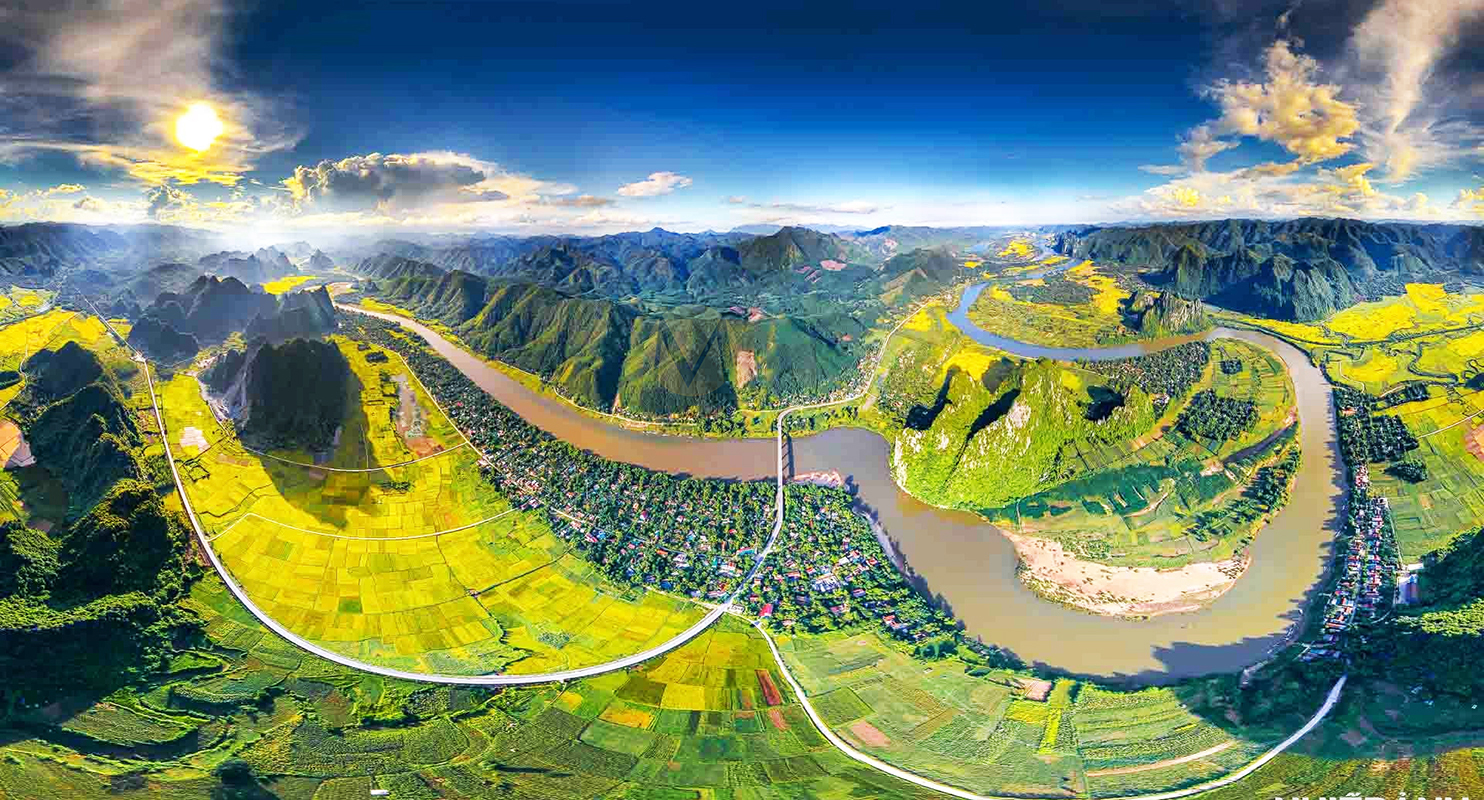
Set in central Vietnam (the park is now listed under Quang Tri province after the 2025 reorganization), Phong Nha – Ke Bang National Park is a national park of limestone, forest and caves.Recognized as a UNESCO World Heritage Site since 2003, the park covers over 123,000 hectares of dramatic limestone landscapes, lush jungle, and one of the world’s most extensive cave systems. With over 300 caves and underground rivers, it’s no wonder this destination is often called the “underground kingdom” of Southeast Asia.
Why Visit Phong Nha – Ke Bang?
The park is home to Son Doong Cave, the largest cave in the world, as well as the impressive Paradise Cave, stretching 31 km in length and filled with soaring stalagmites and shimmering rock formations. You can explore Phong Nha Cave by boat, gliding silently through illuminated chambers after passing buffalo-dotted rice fields.
But Phong Nha isn’t only about caves. The area is rich in biodiversity, with dense forests, rare wildlife, and unique plants. Adventure seekers can trek through pristine jungle, kayak on the Chay River, or even zipline into Dark Cave for a mud bath experience.
For those wanting to go deeper, multi-day treks lead to Hang En Cave-the world’s third-largest-with overnight camping on its own beach under swallows’ nests. The more remote Hang Tien and the legendary Son Doong cave require several days and a strong fitness level, but the rewards are once-in-a-lifetime.
Activities for Every Type of Traveler
Activities include:
- Trekking & Hiking: Discover hidden valleys, jungle trails, and panoramic viewpoints.
- Cycling & Motorbiking: Ride scenic paths through the park to uncover its wild beauty.
- Caving & Camping: Spend a night inside massive caverns on multi-day expeditions.
- Botanical Garden Visit: Stroll through 40 hectares of protected forest filled with rare plants and wildlife.
- Ziplining & Kayaking: Enjoy fun-filled outdoor activities at Chay River – Dark Cave.
- Community Tourism: Stay at locally run accommodations like Chay Lap Farmstay, with poolside views of limestone karsts.
When to Visit
The best time to visit Phong Nha-Ke Bang is between March and August, when the weather is dry and the caves are fully accessible. April to August is ideal for cave tours and outdoor adventures, though temperatures can rise significantly. Avoid the rainy season from September to early December, as flooding often forces cave closures.
The caves
Vietnamese Wikipedia says the park protects one of the world’s two largest karst regions, with about 300 caves, and the northern Truong Son ecosystem. The area was listed as a natural World Heritage Site in 2003 for its geology and again on 3 July 2015 for biodiversity. In August 2013 the park was expanded to 1,233.26 square kilometers. A British caving expedition announced Son Doong in 2009 as the largest cave in the world, over 5 kilometers long, 200 meters high and 150 meters wide. Paradise Cave was found by British cavers in 2005, and is described as the largest and most beautiful dry cave in the park. We have not verified permit rules, trek prices or boat times, so check them before you go.
Sources (read in Vietnamese, Vietnamese Wikipedia): Vườn quốc gia Phong Nha – Kẻ Bàng. Last checked November 2026.
Phong Nha-Ke Bang: FAQ
When did Phong Nha-Ke Bang become a World Heritage Site?
In 2003 for geology, with a second listing on 3 July 2015 for biodiversity.
How big is Son Doong Cave?
Over 5 kilometers long, 200 meters high and 150 meters wide, according to the 2009 announcement.
When was Paradise Cave found?
In 2005, by British cavers.
How many caves are in the park?
About 300.
How far is the park from Hanoi?
About 500 kilometers south.