| National park | Vietnam’s first national park; forest reserve decision 72/TTg of 7 July 1962 |
|---|---|
| Area | 22,200 ha, of which 11,350 ha in Ninh Binh and 5,850 ha in Thanh Hoa |
| Prehistory | remains 7,000 to 12,000 years old found in caves |
| Awards | named Asia’s leading national park by World Travel Awards for six years running, 2019 to 2024 |
| Primate center | the Endangered Primate Rescue Center was set up in 1993 by the Frankfurt Zoological Society and Vietnam’s forestry ministry |
| Thousand-year tree | a giant chò tree 45 m tall and 5 m in diameter |
Cuc Phuong National Park
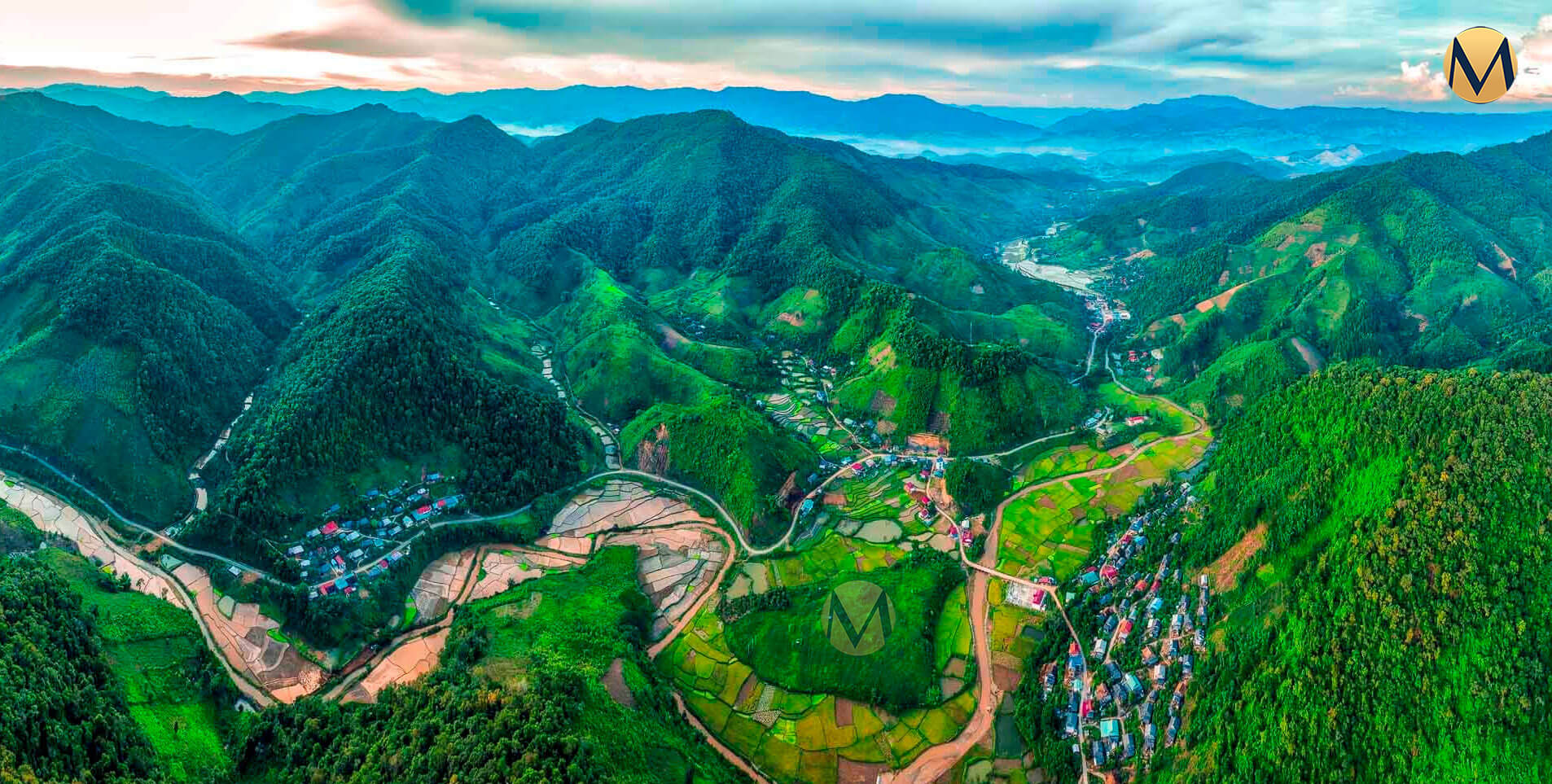
Sixty years ago, Viet Nam’s first national park opened its gates and it’s been raising the bar ever since. Spread across 220 square kilometers of lush forest in Ninh Binh, Hoa Binh, and Thanh Hoa, Cuc Phuong combines high-tech monitoring with old-fashioned elbow grease to protect wildlife, advance research, and bring eco-education to life.
On the Front Lines of Forest Defense
With just 56 rangers patrolling 13 outposts each stewarding nearly 400 hectares the park takes its mission seriously. Armed with SMART (Spatial Monitoring and Reporting Tool) technology, teams track everything from illegal logging to endangered species movement in real time. On the ground, they partner with nearby communities, training locals in beekeeping, tree nurseries, and community-run eco-lodges so that conservation pays off for everybody.
Rescue, Rehabilitate, Release
Home to the Centre for Rescue, Conservation and Development of Creatures (CRCDC), Cuc Phuong has given a second chance to over 2,700 animals across 64 species primates, pangolins, turtles, you name it. Sick or injured when they arrive, these rescued creatures undergo careful rehabilitation, then learn to thrive again in semi-wild enclosures before earning their freedom. Those that can’t return to the wild become “ambassadors,” educating thousands of visitors each year about why wildlife trafficking simply has to stop.
A Living Classroom
More than a park, Cuc Phuong is an outdoor university. Scientific partnerships – including a landmark primate rescue center launched with the Frankfurt Zoological Society have bred and released hundreds of rare monkeys back into the forest. Meanwhile, eco-tour programs invite guests to hike jungle trails, camp beneath ancient trees, and stay in Muong-family homestays. Kids even join teams named after Vietnam’s most at-risk species, learning firsthand why every footprint and every choice-matters.
At Cuc Phuong, the message is simple: “Leave nothing but footprints. Take nothing but photographs.” Six decades in, it’s still one of Asia’s best examples of how people and planet can thrive together.
The park
Vietnamese Wikipedia calls Cuc Phuong the first national park in Vietnam. The forest became a reserve in 1960 and was formally set up by Decision 72/TTg of 7 July 1962. Its total area is 22,200 hectares, with 11,350 hectares in Ninh Binh and 5,850 in Thanh Hoa. Prehistoric remains 7,000 to 12,000 years old have been found in its caves. The Endangered Primate Rescue Center, set up in 1993 by the Frankfurt Zoological Society and the Vietnamese forestry ministry, houses gibbons, slow lorises and langurs, and the park’s thousand-year-old tree is a giant chò about 45 meters tall. World Travel Awards named it Asia’s leading national park from 2019 to 2024. We have not verified the older text’s ranger numbers, so check opening hours and routes before you go.
Sources (read in Vietnamese, Vietnamese Wikipedia): Vườn quốc gia Cúc Phương. Last checked November 2026.
Cuc Phuong: FAQ
Is Cuc Phuong Vietnam’s first national park?
Yes. It was set up by Decision 72/TTg on 7 July 1962.
How big is Cuc Phuong National Park?
22,200 hectares.
What is the Endangered Primate Rescue Center?
A center set up in 1993 to keep, breed and study Vietnam’s gibbons, slow lorises and langurs.
What is the thousand-year-old tree?
A giant chò tree about 45 meters tall and 5 meters in diameter.
How many days do you need at Cuc Phuong?
One or two days, often from Ninh Binh.