Absolute Asia Tours

Archives: Blogs

  • The Ritz-Carlton, Bangkok is Ready for Its Grand Opening – Discover What Awaits

    The Ritz-Carlton, Bangkok is Ready for Its Grand Opening – Discover What Awaits

    As I wandered through the vibrant streets of downtown Bangkok to catch a glimpse of the new Ritz-Carlton, a delightful shift in the atmosphere caught my attention. The breeze picked up, unveiling a tapestry of bright blue skies interspersed with fluffy white clouds. Strolling along the beautifully landscaped paths of the One Bangkok enclave, I was enveloped by a sense of nostalgia. The sophisticated surroundings made me ponder: Was I in New York, Los Angeles, or perhaps London? A familiar comfort wrapped around me.

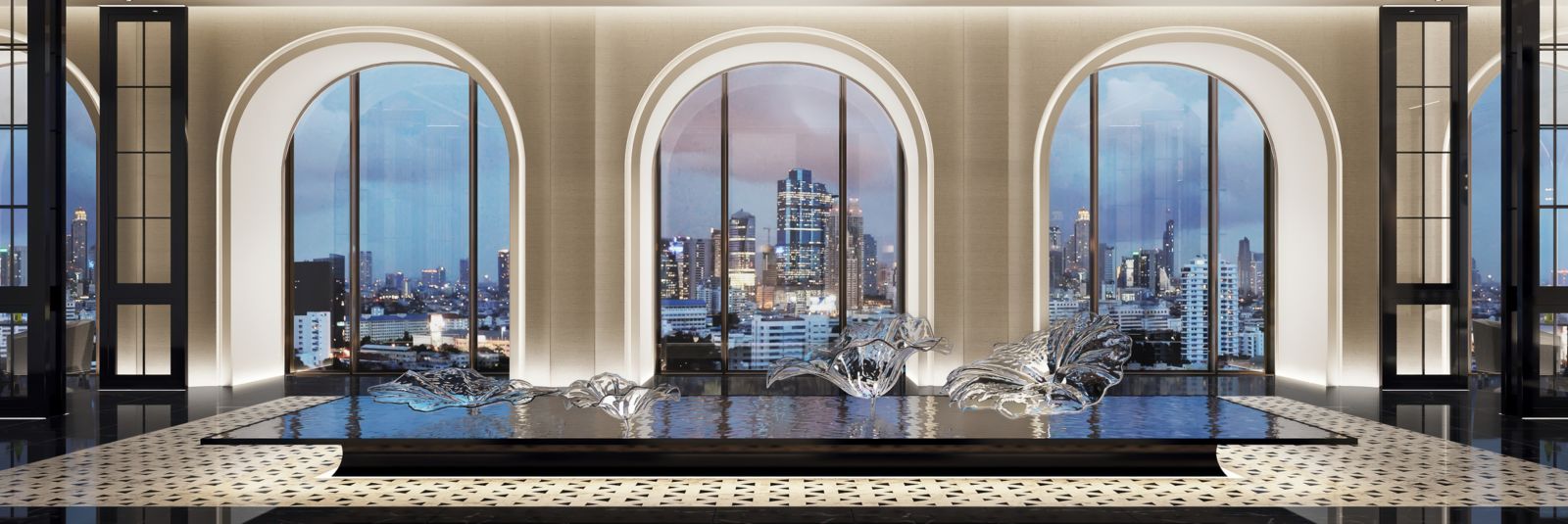
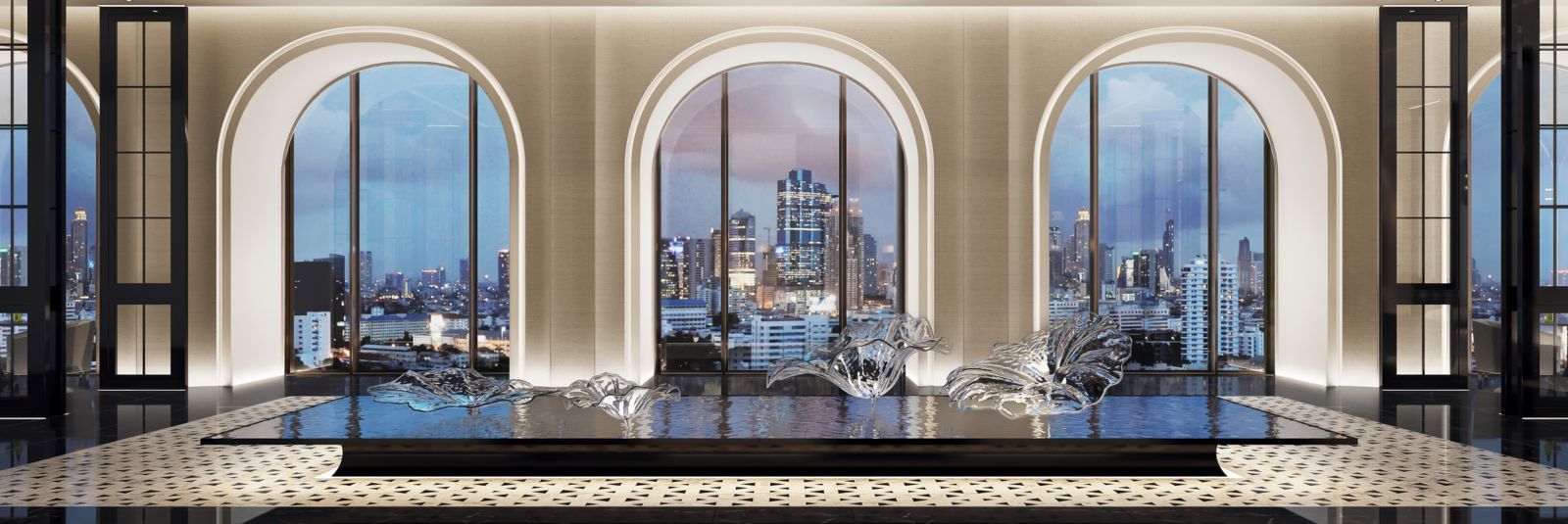
    Stepping inside the hotel, I was welcomed by a cheerful bellman who guided me to the lobby on the seventh floor. As the doors swung open, I was greeted by an exquisite focal point: a tranquil lily pond adorned with delicate glass lilies, set against massive arched windows overlooking the captivating skyline that had just captivated me. This was my first moment of awe.

    I had the pleasure of meeting Tina Liu, the hotel’s general manager, who offered intriguing insights into this remarkable property. Soaring 216 meters above the bustling intersection of Wireless and Rama IV roads, the hotel embraces the theme “A Fusion of Two Cultures.” The concept is rooted in a vision from the 1800s, where Thailand sought to harmoniously blend its rich traditions with international influences. From what I experienced, the Ritz-Carlton has successfully captured the essence of Bangkok’s vibrant future.
    The stunning architecture of the Ritz-Carlton Bangkok, designed by the renowned Chicago-based firm SOM alongside Thailand’s A49, features ascending open-air terraces that deliver breathtaking views of the city skyline. Inside, the PIA design studio masterfully weaves together elements from the past, present, and future, utilizing endless archways, elegant marble flooring, striking chandeliers, and personal touches that create an inviting, residential ambiance.

    The dazzling main pool, accompanied by a children’s pool complete with fun water jets, boasts spectacular vistas of Bangkok’s skyline. Plush pool chairs draped in soft white towels line the path leading to a delightful terrace, the perfect spot for enjoying a refreshing drink while watching the sunset over Lumphini Park’s serene lake. Nestled just behind this terrace is the hotel’s exquisite dining venue, Duet by David Toutain, which boasts two Michelin stars at its Paris counterpart. Here, guests can indulge in modern French cuisine crafted from meticulously sourced ingredients and artisanal products, all served within a stunning glasshouse setting – truly a must-visit dining experience!

    The Ritz-Carlton Bangkok features a collection of 260 beautifully appointed rooms, each thoughtfully designed to showcase Thai artistry and contemporary elegance. Every room boasts floor-to-ceiling windows that perfectly frame stunning views of the city. The entry-level Deluxe Room is a generous 50 square meters, providing ample space for relaxation. Tip: About half of these rooms come with balconies that accommodate a table for two, ideal for enjoying fresh air. If you prefer additional indoor space, the non-balcony options offer the same layout but include a window-width daybed, perfect for unwinding in the cool comfort of air conditioning.

    For those seeking luxury, the expansive Marigold and Amaranth Suites, each measuring 127 square meters, are adorned with soothing gray tones, rich dark wood furnishings, and multiple seating areas. In one of the corner suites I toured, a large central bathroom features sliding doors that provide seamless access to breathtaking views from the living room, bedroom, and corridors. Many of these suites also boast two private balconies, enhancing the overall experience of opulence and relaxation.

    No matter which room you choose, you can expect luxurious touches such as Frette linens and bathrobes – highly praised by my editor-beautifully hand-painted armoires, Diptyque amenities, Dyson hair dryers, and Japanese-style toilets equipped with a digital, detachable remote control. I found myself questioning the need for portability, but I couldn’t help but imagine sneaking the remote to play with the “massage” and “swirl” settings while my husband was in the bathroom, leaving him with quite the surprise!

    Before heading down, we explored the exclusive Club Lounge on the 23rd floor. As someone who frequently works remotely, I felt right at home. This inviting retreat features cozy arched alcoves with personal charging stations, along with complimentary bites and drinks served five times daily – all while offering stunning, panoramic views. There’s a unique outdoor table where the previously clear blue skies transformed into a breathtaking canvas of oranges and reds. I believe this spot will undoubtedly become the most coveted location for enjoying breakfast or sipping Champagne at sunset.

    For those who share my passion for exceptional dining, the culinary offerings at Lily’s, the all-day dining restaurant (or as Tina prefers to call it, the “main dining room”), are a must-try. The restaurant impresses with uniquely designed spaces, each featuring distinct color palettes, moods, furniture, and lighting. With an impressive array of international cuisine, there’s something to delight every palate.

    One standout feature that caught my attention is the stunning floral-shaped waffle maker, meticulously handcrafted by a dedicated Belgian ironsmith who worked closely with the hotel team for months to perfect its design. It’s no surprise that he’s in high demand among some of the world’s most renowned pâtissiers, including Cedric Grolet.

    I also had the pleasure of visiting Caleõ, which means “being in love” in Latin-a fitting name, as I quickly fell for its charm. This luxurious bar and lounge dazzles with a magnificent floral chandelier and cozy, semi-hidden rooms adorned in rich blues and golds. The cocktail menu is a celebration of iconic social clubs from around the globe, with inspired drinks reminiscing Miami’s Babylon Club and Rangoon’s Pegu Club. I was particularly fond of the delectable bite-sized snacks, especially the layered potato cubes topped with beef tartare and caviar – an absolute indulgence!

    The official opening day for The Ritz-Carlton, Bangkok is set for December 4th, marking its entry into the vibrant scene of contemporary haute luxury alongside a host of new five-star establishments in the city. Guests can look forward to the introduction of a Ritz Kids club and a rejuvenating spa tailored for ultimate relaxation. Personally, I am particularly excited about the creative tours of the One Bangkok Art Loop. Additionally, I plan to join the weekly 6 a.m. runs in Lumpini Park led by the friendly hotel manager, Lewis Quinn-what a fantastic way to start the day!

    —-

    RESERVE YOUR STAY AT THE RITZ-CARLTON, BANGKOK BY CONTACTING sales1@absoluteasiatours.com

  • When to Visit Japan: Seasons & Highlights

    When to Visit Japan: Seasons & Highlights

    Spring (late March to mid-April) is popular for seeing cherry blossoms, while autumn (November to early December) offers beautiful fall colors. If you want to avoid crowds, consider visiting during other times of the year.

    Japan has four seasons, and the weather varies by region. Summer lasts from June to September, with hot temperatures, often over 31°C (88°F) in Tokyo. Hokkaido, in winter (December to early March), gets a lot of snow, making it perfect for winter sports.

    The rainy season runs from mid-June to September, with June being the wettest month. By November, the rains lessen, and December to February is generally dry.

    Japan has many amazing sights, including Mount Fuji and the lovely town of Hakone. You can also explore the cultural city of Kanazawa and the historic sites of Hiroshima and Miyajima Island.

    Japan’s Weather Guide by Month

    Japan is a destination you can enjoy at any time of the year, offering a variety of landscapes and experiences throughout the seasons.

    To assist in planning your trip, we’ve compiled a monthly climate guide that details what to expect weather-wise in popular areas. We’ll also highlight seasonal attractions to make your visit memorable.

    Top Activities in Japan by Season

    Deciding when to visit Japan depends on the activities you want to engage in, the sights you wish to see, and the regions you plan to explore. Seasonal variations play a key role in your decision. To assist you in planning your trip, we’ve put together a list of our favorite activities and the ideal times to enjoy them.

    • March-April – Witness the Beauty of Cherry Blossoms

    Visiting Japan from March to April is the perfect opportunity to see the stunning cherry blossoms. This time of year marks the transition from winter to spring, and the sakura blooms can last anywhere from several days to a couple of weeks, depending on the weather. It’s one of the busiest seasons for tourism in Japan.

    Keep in mind that the timing of the cherry blossoms varies each year, influenced by temperature and climate conditions. In some years, the flowers might last longer, while in others, strong winds or rain may cause them to fall prematurely.

    Typically, the cherry blossoms bloom for about a week in each location, with their appearance staggered across the country. The season begins in Okinawa in early February and moves northward, reaching Hokkaido by late May. For those wanting to experience the blossoms for an extended time, traveling from south to north is a great strategy. Be sure to check out our article for the best spots to see cherry blossoms in Japan.

    • June – September: Immerse Yourself in Festival Culture

    The summer months from June to mid-September are the best time to explore Japan’s vibrant festivals and cultural events. Although the humidity can be quite high, this season offers a unique opportunity to experience local traditions while avoiding the larger tourist crowds.

    Summer is famous for its lively festivals, known as “matsuri.” Notable events include Kyoto‘s Gion Matsuri, Osaka’s Tenjin Matsuri, Aomori’s Nebuta Matsuri, and the Awa Odori festival in Tokushima on Shikoku Island.

    Additionally, this time of year is marked by spectacular fireworks displays, called “hanabi taikai.” While Tokyo’s Sumida River Fireworks are especially popular, countless celebrations take place across the country, showcasing stunning pyrotechnics.

    • November – April: Hit the Slopes for Skiing and Snowboarding

    From late December to March, Japan is the prime destination for skiing and snowboarding. January and February are particularly great for experiencing winter festivals, while occasional snowfall may still occur in March and April.

    The ski season can extend as late as May in certain regions, but the best times to enjoy the slopes vary depending on your location.

    In Hokkaido, snow typically begins to fall around mid-November, with major resorts like Niseko, Rusutsu, and Kiroro often opening their doors by the third week of that month.

    March and April are fantastic months for snow sports, both at resorts and in backcountry areas. The abundant early-season snowfall ensures excellent skiing conditions right through to the season’s close, and the clearer weather during this period offers breathtaking views.

    • November-December: Marvel at the Autumn Foliage

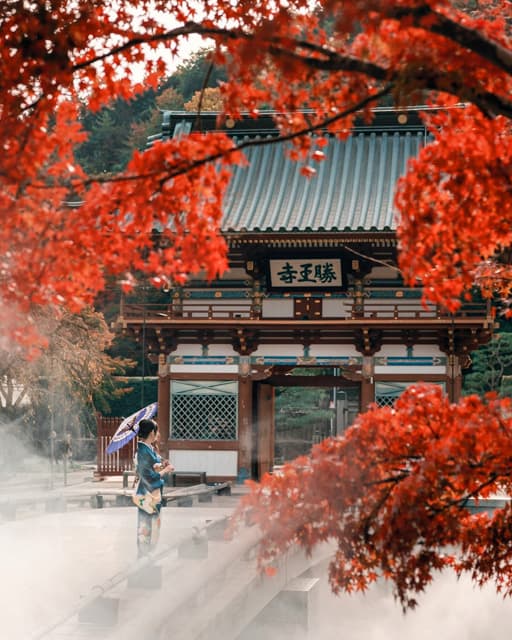
    The best time to visit Japan to enjoy the stunning autumn colors is from November to December. In Hokkaido, the fall season can start as early as mid-September, while the leaves in Tokyo and Kyoto begin to turn vibrant shades of orange around mid-October.

    Visiting Japan during the autumn foliage season is a breathtaking experience, and many consider it one of the top destinations for fall in Asia. Unlike cherry blossoms, the autumn leaves tend to last longer.

    By late September, the changing colors start in the northern mountains, gradually spreading south to central cities like Kyoto, Osaka, and Tokyo by mid-October. The brilliant hues typically remain visible until early December. It’s worth noting that Japan’s autumn displays often peak later than in many other northern regions, with the most stunning views usually found in late November and early December.

    Since autumn is one of the busiest travel seasons in Japan, it’s a good idea to plan and book your trip well in advance.

    • December–January: Visit the Snow Monkeys at Jigokudani

    If you’re interested in Japan’s unique wildlife, a trip to the Snow Monkey Park during winter is a must. December and January are ideal months to visit Jigokudani and see the Japanese macaques enjoying the warm natural hot springs.

    The park is enveloped in steam from the hot springs, earning its name, Jigokudani, which translates to “hell valley.” However, for the monkeys, this place is far from hellish; they find refuge in the soothing waters to stay warm throughout the cold winter.

    While these monkeys can be seen year-round, witnessing them surrounded by steam in the hot springs against a backdrop of sparkling white snow is an unforgettable experience.

    • November-February: Winter Activities

    The optimal time to visit Japan for viewing Mount Fuji is from late autumn to early spring, specifically between November and February. During this time, the skies are generally clear, providing stunning views of the mountain, especially in the early mornings when the visibility is best.

    These months also offer a chance to see lingering autumn leaves or the first signs of cherry blossoms in some areas. Lake Kawaguchi is one of the best spots for taking in the picturesque sight of Mount Fuji.

    It’s important to note that from April to August, Mount Fuji is often obscured by clouds and haze, and the start of the typhoon season in September further decreases your chances of seeing it clearly.

    —

    If you want to experience the best of Japan Tours, explore this lesser-known region. Add this unique adventure to your customized Japan itinerary for an enchanting journey across the country.

  • Absolute Asia introduces its latest Japan Insider issue

    Absolute Asia introduces its latest Japan Insider issue

    Japan delivers a curious oxymoron of familiarity and novelty, offering enough accessible exoticism to achieve the perfect level of travel balance.

    Japan perfectly encapsulates the ideal travel destination with its level of safety and convenience, modernity and tradition, large urban cities and smaller, more tranquil environments, and most importantly, the substantiation cultural experiences that the country and its people has to offer. Our special issue seeks to cover all of these aspects, and more, to highlight the beauty and intrigue of Japan.

    I would like to extend heartfelt appreciation to Vatanya Bongkotkarn, who just brilliantly translated the Japan magazine with a fresh design philosophy that was wonderfully clean. In this special issue of Absolute Asia, we are aiming to give you a multi-dimensional view of Japan with what sets it apart. We hope that you will uncover some of the unique parts of the Japanese culture, such as ryokans, sumo, geisha, keiseki dining, and otaku culture.

    We take you, in this issue, as part of the journey through Japan and its fantastic destinations. Tokyo, in particular, is made up of so many neighborhoods that each show some part of the architectural greatness and fashion cutting edge of Japan as it appeals to travelers’ desire. Some of the other highlights include the unique regions of Kyushu and Shikoku, the art and culture in the Setouchi area and the distilleries of Japanese whisky. Let us raise our glasses and toast to one of our favoured travel destinations.

    —

    If you want to see the best of Japan, check out this lesser-known region. Add this unique experience to your personalized Japan itinerary for an amazing trip.

  • Chiang Mai Loy Krathong Festival: Water Spirits & Wishes

    Chiang Mai Loy Krathong Festival: Water Spirits & Wishes

    The Chiang Mai Loy Krathong Festival in 2024 will take place on November 14, 15, and 16. It’s a significant event in Thailand, Laos, and parts of Southeast Asia with Thai or Tai heritage, celebrated on the evening of the full moon of the 12th lunar month. Confusion arises as the date varies each year. Chiang Mai and Sukhothai are popular spots for witnessing Loy Krathong, alternatively known as Yee Peng Festival in Chiang Mai. Feel free to ask about this year’s festival details in Chiang Mai or Lamphun!

    Understanding the Heart of Loy Krathong in Thailand

    Loy Krathong is a special festival in Thailand celebrated in the evening, unlike the daytime Songkran festival. The heart of Loy Krathong lies in its name: “loy” means “to float,” and “krathong” is a decorative float made from banana plant parts, adorned with flowers, leaves, a candle, and incense sticks. People launch these beautiful floats onto rivers to symbolize their hopes and wishes. While traditionally Thais used to craft their krathongs, nowadays, you can buy them from vendors along the riverbanks for a small price. In recent times, colorful parades and sky lanterns have been added to make the festival more appealing to visitors.

    Krathongs, parades, and sky lanterns are key components of the Loy Krathong festival.

    In today’s Chiang Mai Loy Krathong festivals, the main activities are floating krathongs, watching parades, and releasing sky lanterns. These happen in that order because floating krathongs is the oldest tradition. Initially, Loy Krathong only involved floating krathongs on water bodies, but parades were introduced in the 1960s by tourism authorities.

    An evening sky illuminated by countless sky lanterns

    Sky lanterns, called khom loi (โคมลอย), were introduced in the 1990s and have become the highlight of the Loy Krathong festival. These paper and bamboo balloons light up the night sky and are a popular attraction, particularly in Chiang Mai. However, in recent years, releasing sky lanterns has raised concerns due to pollution and safety risks for air traffic. Despite being banned in 2022, they made a comeback the following year.

    The Loy Krathong festival that will be held in Chiang Mai in 2024.

    An overview of the Chiang Mai Loy Krathong Festival in 2024.

    The Chiang Mai Loy Krathong Festival in 2024 will likely resemble past celebrations. The festival program, typically shared by the Tourist Authority of Thailand in Chiang Mai shortly before the event, includes nightly parades around the moat area and Thapae Road. Specific activities are planned for each day, such as the lantern parade and festivities on the full moon day. While the exact 2024 program is not out yet, it’s anticipated to be similar to previous years, with details expected to be released closer to the festival dates.

    The recommended spot to visit is the Ping River.

    After enjoying the parades, heading to the Ping River, particularly between the Iron Bridge and Nakorn Ping Bridge, is highly recommended. Expect significant crowds, especially near the Nawarat Bridge. Food stalls and vendors selling krathongs line the Ping River. Despite the sky lantern release being banned in 2022, many lanterns were spotted in downtown Chiang Mai and its surroundings in 2023.

    The Loy Krathong Festival program for Chiang Mai in 2024 has been confirmed by the Chiang Mai Tourist Authority with the following dates:

    • Thursday, November 14, 2024: Candle dance performance at the Three Kings Monument, Lantern Parade starting from the moat area to the railway station, and Krathong release along the Ping River.
    • Friday, November 15, 2024: Small krathong parade from the moat area to the railway station, followed by Krathong release at the Ping River on the full moon day.
    • Saturday, November 16, 2024: Big krathong parade following a similar route to the railway station, with Krathong release along the Ping River after dark.

    Additional Loy Krathong events in Chiang Mai

    In recent times, the focus of the Chiang Mai Loy Krathong festival has shifted towards the release of sky lanterns rather than the traditional floating of Krathongs. Around a decade ago, the last large-scale free Krathong release event was held near Mae Jo University, but authorities no longer permit this. Consequently, there has been a rise in privately organized events by hotels, local authorities, and organizations, which are often advertised. These events typically take place outside Chiang Mai and feature dinner, cultural performances, local markets, and a sky lantern release. Many of these events are well-organized and worth attending. One noteworthy event is the sky lantern release at the Kruba Srivichai monk statue in Lamphun, which has been positively received in the past, hopefully continuing this year.

    Loy Krathong celebrations in other parts of Thailand

    Loy Krathong is a big event in Sukhothai, Central Thailand, where many believe it all began. The celebrations in Sukhothai are grand, including cultural shows, light displays, and fireworks set against the ancient park’s backdrop. While I haven’t been there myself, Sukhothai’s Loy Krathong must be a sight to behold, even though sky lanterns are not part of the tradition there.

    In 2017, I visited Lampang to see their Loy Krathong festivities, which were more low-key and less touristy. The event featured activities along the Wang River and Ban Chiang Rai Road with decorated boats and traditional-dressed women, along with cultural performances by the river. Lampang’s celebration involved only a few sky lantern releases.

    While some may have a different view, Bangkok is often not considered the best place in Thailand to experience Loy Krathong celebrations.

    The origins and early documentation of Loy Krathong

    Loy Krathong, unlike Songkran, is not considered a national holiday in Thailand. The festival is not even listed in the Directory for Siam and Bangkok of 1914, suggesting it has been celebrated for over 150 years, if not longer. The earliest known documentation of Loy Krathong dates back to J.Antonio’s Guide to Bangkok and Siam from 1904, which describes the festival’s picturesque scenes with thousands of illuminated miniature ships floating on waterways as offerings to the water goddess. Traditionally held in October and November, Loy Krathong has roots in these historical practices.

    The origins of Loy Krathong

    The history of the Loy Krathong Festival in Thailand has some uncertainty. It’s believed to have started in Sukhothai by a lady named Nopphamat or adapted from a Brahmanic ritual by Thai Buddhists. Regardless, Loy Krathong is about showing respect to the Water Goddess, expressing gratitude for water, seeking forgiveness for pollution, and letting go of past negativity by floating a “Krathong” in the river to invite good luck for the future.

    Loy Krathong as described in historical guidebooks

    In the 1927 guidebook “Guide to Bangkok with notes on Siam” by Major Erik Seidenfaden (third edition, 1932), Loy Krathong is described as a significant yet fading ceremony. Seidenfaden suggests the ritual may have originated from Brahmanic practices, focusing on appeasing water genies with floating offerings made from bananas, bamboo, or light materials. These floats typically contain various items like food, cakes, flowers, incense, candles, dolls, and small boats, set afloat on the river to seek the goodwill of water spirits. The practice is reported to be more prevalent in Chiang Mai and along the Mekong River, offering a magical sight of illuminated vessels gently gliding on the river under the starlit sky.

    The development of the festival in Chiang Mai

    In the past, Margaretta Wells described the Loy Krathong festival in her 1962 guidebook as a tradition where people float leaf baskets decorated with offerings on the river to honor water spirits. These ranged from elaborate boats made by schools to simpler leaf baskets carrying good wishes. In a 1970 guidebook, Roy Hudson mentioned families making or buying Krathongs, lighting candles on them, and setting them afloat in nearby water bodies to send their wishes for the coming year. Hudson’s account did not include details about parades or sky lanterns.

    The adjustments made to the Chiang Mai Loy Krathong Festival

    During the 1960s, the Tourist Authority of Thailand, in collaboration with local authorities, began modifying existing festivals and introducing new ones to appeal to tourists.

    According to American scholar Ronald Renard’s observations, changes were made to the Loy Krathong festival. An extra day was incorporated, called “Loy Krathong Yai,” featuring a town procession with large floats. This was followed by “Loy Krathong Lek” on the first full moon day, focusing on smaller Krathongs. Another day was added prior to the full moon day, dedicated to the lantern festival.

    The incorporation of Sky Lanterns into the festival

    The mass release of Sky Lanterns (khom loi) likely started around the early 2000s in Northern Thailand, particularly at Mae Jo University. This addition significantly altered the Loy Krathong Festival, drawing more people due to its striking visuals. The use of the internet and social media played a key role in spreading the festival’s popularity worldwide.

    In recent times, the large-scale release at Mae Jo University has been stopped, with private companies now hosting smaller events that include dinner, cultural performances, and organized sky lantern releases.

    Disputes surrounding Loy Krathong in Chiang Mai regarding the use of styrofoam Krathongs.

    In Chiang Mai, there were controversies regarding the use of styrofoam Krathongs. Styrofoam, a lightweight plastic material commonly used for packaging and containers in Thailand, started being used as a substitute for traditional banana trunk slices in making Krathongs. However, styrofoam is non-recyclable and can take up to 500 years to break down, causing environmental issues as piles of styrofoam Krathongs blocked waterways and looked unsightly. As a result, authorities banned the use of styrofoam Krathongs, and people reverted to using banana trunk slices as before.

    The restriction on releasing Sky Lanterns has been lifted.

    In 2022, Chiang Mai authorities completely banned the release of sky lanterns in the city center due to safety concerns. Initially, sky lantern releases near Mae Jo University, north of Chiang Mai, were not linked to Loy Krathong. As the popularity of sky lanterns grew, authorities restricted their release to prevent risks to air traffic. However, in 2023, people were seen releasing sky lanterns along the Ping River.

    Crowded conditions on the Nawarat Bridge

    In 2019, I saw large crowds on and around the Nawarat Bridge near the Ping River as people gathered to release sky lanterns. The situation felt overwhelming, with people tightly packed on the bridge and others lighting lanterns with open flames. It was chaotic, with the police struggling to control the crowd. Crossing the bridge took me 20 minutes, and the experience was uncomfortable, raising concerns about potential accidents. Some people chose to celebrate Loy Krathong in quieter, more traditional spots like Lamphun and Lampang to avoid the crowded and noisy areas.

  • What To Do in Thailand: The Highlights

    What To Do in Thailand: The Highlights

    Thailand has everything you are looking for. From the busy Bangkok streets, full of skyscrapers and ancient temples, to the vibrant green rice paddies, stunning mountains, and breathtaking islands that are everywhere you look. Plus, Thai food is everywhere to fuel any outdoor adventure, whether you snorkel, scuba dive, sea kayak, hike, mountain bike, or wildlife watch. For the highlights, check out our Thailand Highlights Guide.

    Discovering Bangkok’s Attractions

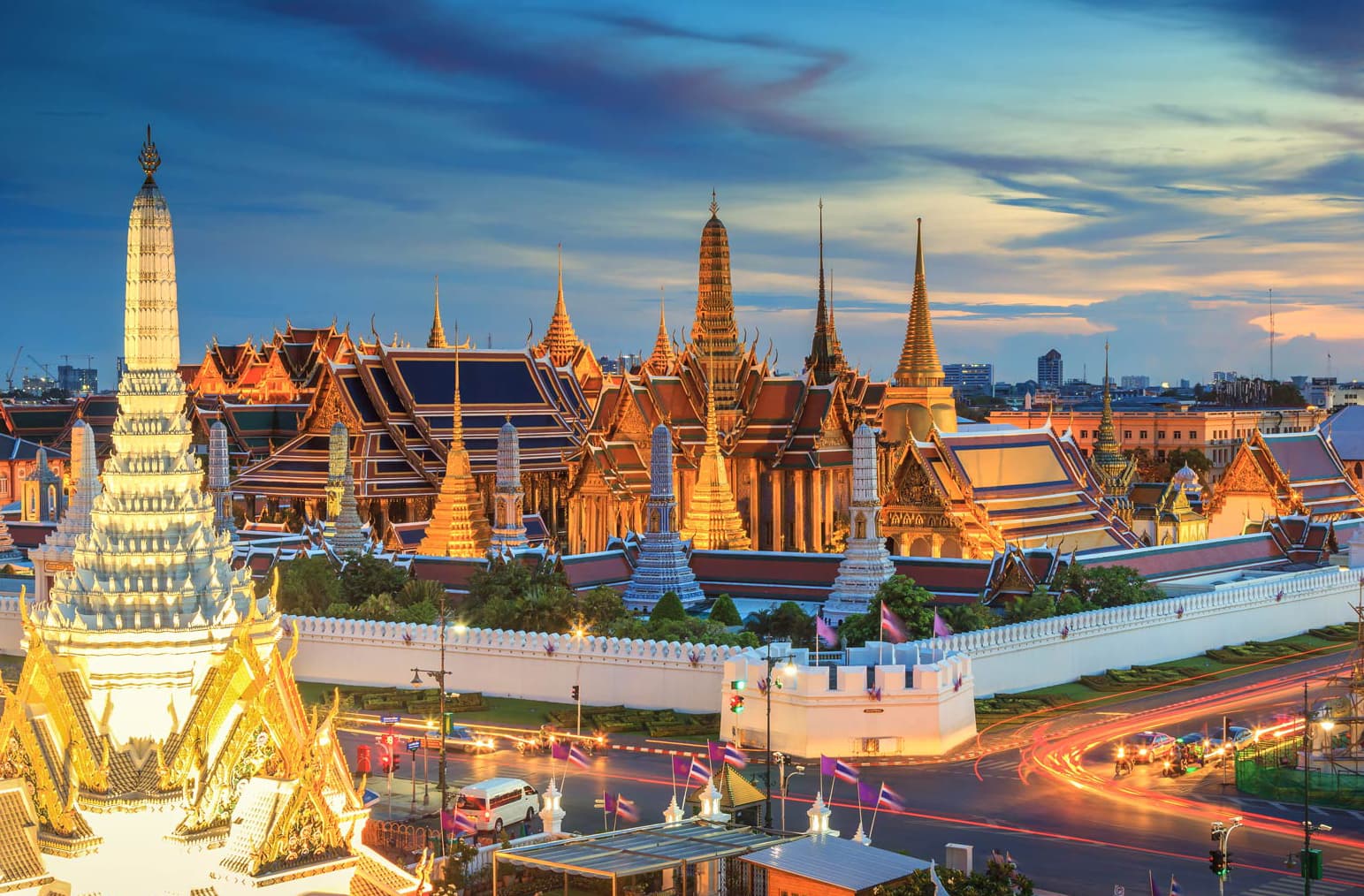
    When people visit Bangkok, they often stop by must-see spots like the Grand Palace and the reclining Buddha at Wat Pho.

    While air-conditioned vehicles are how we generally travel, there is another style of tour that allows you to see the city from a local’s point of view. With your guide, it is possible to travel by water taxi, tuk-tuk and the BTS Sky Train, and get more insight into local transport in Bangkok.

    An experience to remember would be arriving at Jim Thompson House. Thompson was the man who revived the textile industry before he mysteriously disappeared there. This old colonial building included Thompson’s extensive collection of Southeast Asian art. To arrive at the Jim Thompson House by the little canal or ‘klong’ at the back entrance was extra special, where a local guide marks out hidden gems!

    Experience the local life in Doi Angkhang

    Doi Angkhang, also known as Little Switzerland, has rolling hills and a fruitful farming climate that creates a lot of fruits and vegetables. It is also located near the Burmese border, so you can rent a bike and tour the most scenic parts of The Royal Project, which was started by the King to educate villagers about sustainable farming techniques and production to grow things other than opium. After smelling the fragrant roses, you can also sample strawberries, peaches, and plenty of lychees.

    For an experience of real culture and everyday local life, you could visit the Phumanee hill tribes and watch how they live – including women cooking, men working the land and cattle roaming around. The accommodation at the guesthouse was basic, but if anyone wanted to experience the daily life of a Thai tribe, this was a great way of immersing yourself into that culture.

    Discover the ancient temples and dynamic markets of Chiang Mai

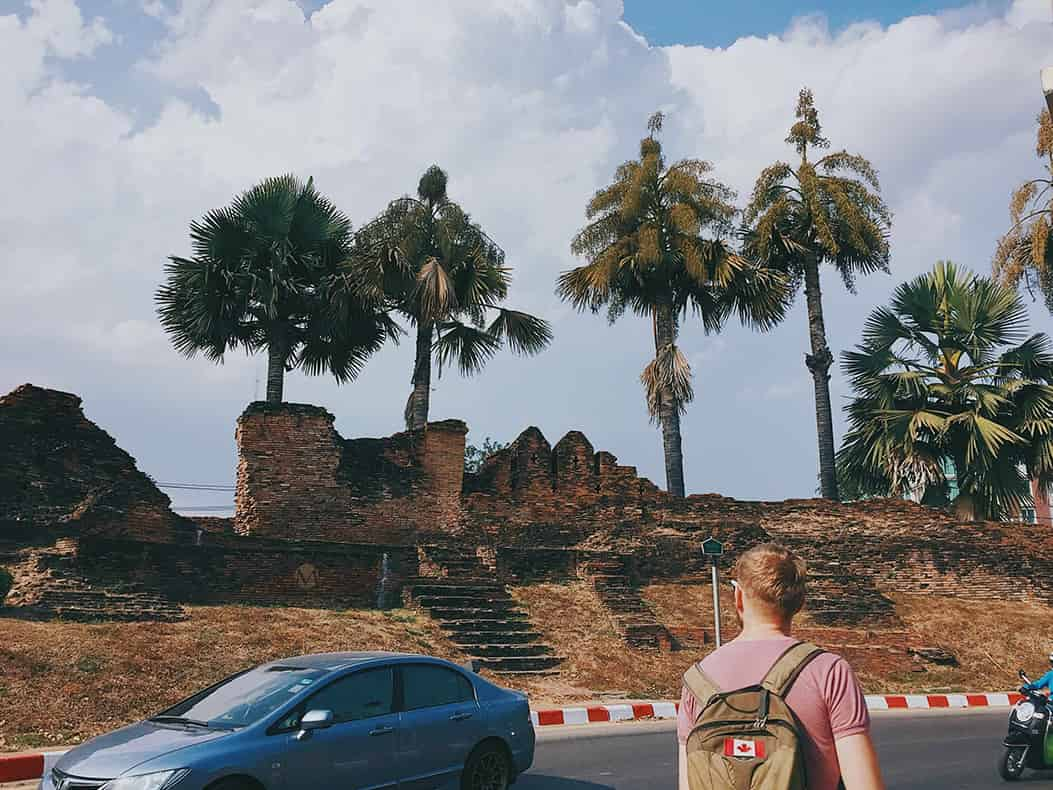
    Located only an hour’s flight from Bangkok (or a delightful 12 hour sleeper train journey that will allow you to see the city change from the urban landscapes to lush hills, rice paddies and rivers, with the most spectacular mountain ranges adjoining), Chiang Mai is the second largest city in Thailand and a country in deep contrast to Bangkok. There are no high-rise buildings, the pace of life is much slower, and the ancient city is preserved with genuine charm.

    One of my favorite past times is to explore the night market in a riverbank setting. Open all night long, we had an endless supply of street food to eat! My favorite was satay, as it smelled so good! In Chiang Mai, due to influences from Myanmar and Laos, we tasted a mix of flavors from the region with plenty of beautiful, delicious, aromatic Northern Thai street food on offer in the stalls.

    Experience The Andaman Coast of Thailand

    To me, the whitest sandy beaches and clearest waters are in Krabi province. The panoramic view is just dotted with limestone karsts jutting out of the water and little sand banks spreading between the unbelievably beautiful multitudes of uninhabited islands.

    Phang Na Bay (Phang Nga Bay – from Phuket island to Krabi island) is great for diving and snorkeling. A worthwhile option is to have a 4 island tour! Island hop, picnic on a beach, and back at your hotel by the early afternoon.

    The Tubkaak Resort is one of many resorts just a few minutes north of Krabi beach. The rooms and pool villas are very comfortable, but the very best thing about the Tubkaak is the view from the hotel beachfront! Without reservation, one of the best views I’ve seen. As the sun sets behind the islands of Yao Yai and Koh Yao Noi, the array of purple and oranges and blues that stretch dramatically overhead, whilst I witnessed, the view of the bay (wow!).

    Boat tour of Ayutthaya

    Ayutthaya is the ancient capital of Siam and a UNESCO World Heritage Site with temples very similar to the Angkor style.
    A boat cruise overnight is a great way to experience the city. The two days on the Loy Pela Song, a converted 6 berth rice barge. Leaving Bangkok and cruising up the Chao Phraya River provides visitors with an experience that’s different from driving from place to place. After watching sunset over the temples, the barge moors for dinner in the city.
    The next day, you experience the temple complexes by hopping on and off an assortment of tuk- tuk. (called the Kermit tuk-tuks because they are brightly colored and frog-shaped!)

    Check out an elephant conservation camp retreat

    There is a definite connection between Bangkok and elephants. With all of the elephant sanctuaries now around Thailand, they continue to have a focus on conservation and education for visitors. Among the retreat, Elephant Hills can take the cake and is located in Khao Sok, which is Thailand’s oldest national park located in the southern part of the country.

    Elephant Hills is comprised of two jungle tented camps set seamlessly into the national park and close to Thailand’s famous beaches. The main camp is a natural environment for you to see elephants, while a capable & knowledgeable staff care for them without riding them! You can feed and bath the elephants supervised by well-trained Mahouts!

    The second camp and definitely the most unique is a floating village on the Cheow Larn Lake where we were an hour and a half from the main camp! The floating village consisted of 20 luxury tents on the lake. Again, being able to swim in the couldn’t be more relaxed, and you’ll have the chance to kayak in and out of the mangroves.

    But back to waking up every morning with misty starts to the morning, the views in the background of rubber trees, limestone karsts sticking up from of the jungle floor, and whether it was the first foot out of the tent, or the sounds of gibbons in the trees singing, the anticipation was engaging!

    Hiking Expedition in Khao Yai National Park

    Khao Yai National Park, only a 2.5 hour drive from Bangkok, is an ideal hiking spot if you’re feeling short on time and can’t make it to Northern Thailand. The hike up hill was celebrated, fortunately the flat expanse of the park means you can take your time exploring!

    Khao Yai National Park offers wild elephants which means there is a chance you might view an elephant or two, and possibly some deer, gibbons and wild boar – while nothing can be promised, I was lucky enough to see eight elephants on my last trip.

    After a day of hiking, return to your hotel for a freshen up before embarking on a night safari. Store away your hiking gear, donned with a guide, armed with a high-powered spotter torch, head out and climb into an open topped jeep for a chance to see the parks night-time wildlife, like the Gaurs, the elusive mouse deer and perhaps even more with the stunning elephants you viewed earlier.

    Experience the Golden Triangle

    Take a trip to see the Golden Triangle, where Thailand, Myanmar and Laos meet at the Mekong River. Here you can witness the magical triangle that unites these countries. The Anantara Golden Triangle Hotel offers a highlight with its views overlooking the borders and serves as a basis for arranging cruises on the Mekong River and onward travel to Laos, Vietnam and Cambodia.

    Taste Authentic Thai Cuisine

    Get your taste of Thai cuisine, a fusion of flavors and taste that join salty satay, spice, refreshing salads and sticky rice for all tastes. Be sure to try some Som Tam (green papaya salad) and Larb Gai (minced chicken salad), which combine the signature sweet, sour and aromatic flavours for which Thailand is best known.

    Hike the Remote Locations

    Drive east to Isaan Province for a rare chance to hike off the beaten path. Enjoy the agricultural land scape, traditional villages and stunning rice paddies by enjoying a homestay or authentic local accommodations in Ubon Ratchathani. Plus, you will have the opportunity to find those remote temples with the beautiful sights and incredible history you may not find in other travel spots.

    Visit the Bridge on the River Kwai

    Learn the history of the Bridge on the River Kwai, which provides an interesting site built during WWII. Consider spending the night, as it allows you time to head back out again to see the Erawan National Park, featuring Thailand’s beautiful seven tiered waterfall. The Float House accommodates a unique floating experience ON the river and allows easy access to the town, war monuments and stunning views.

  • Thailand vs. Bali: A Culinary Exploration

    Thailand vs. Bali: A Culinary Exploration

    THAILAND

    • What to eat in Thailand: Pad Thai, Tom Yum Goong, Gaeng Daeng, Khao Soi, Pad Kra Pao Moo and Laab
    • Where to eat in Bali: Penthouse Bar + Grill in Bangkok, Pine Beach Bar in Phuket, Horizon in Pattaya, Park Thai Eatery in Chiang Mai, and Khaothong Hill in Krabi

    BALI:

    • What to eat: Nasi ayam and nasi campur, Babi guling, Tahu and tempeh, Pepes and tum, and Nasi goreng
    • Where to eat: Kepitu Restaurant At The Kayon Resort, Arcadia Restaurant Ubud, Sukun Restaurant Kuta, Village Square-Wok Wok and Botanist Restaurant Ubud

    Best Hotels: Where to Stay in Thailand and Bali

    Thailand has a wide variety of places to stay, including luxury hotels, villas, fun hostels, and cozy homestays. Bali is known for its beautiful tree houses in quiet areas and resorts with private plunge pools and amazing views. Here are some of the best options.

    Thailand: AMAN PHUKET, Rosewood Phuket, 137 Pillars House Chiang Mai, Park Hyatt Bangkok, Sindhorn Kempinski and Four Seasons Resort Koh Samui

    Bali: Bvlgari Resort Bali, Capella Ubud, Bali, The Ritz-Carlton, Bali, Four Seasons Resort Bali at Sayan, AYANA Resort Bali, Amankila, Alila Villas Uluwatu and COMO Shambhala Estate

    Frequently Asked Questions (FAQs)

    What are the key differences between Thailand and Bali as travel spots?

    • Both places have many beautiful sights and fun activities. However, Thailand, as a country, offers a broader range of attractions compared to Bali, which is a single island.

    Which destination is better for a beach getaway, Thailand or Bali?

    • Thailand features many stunning beaches, but Bali’s beautiful islands are perfect for a relaxing beach holiday.

    Which destination is better for cultural experiences, Thailand or Bali?

    • Both areas are rich in culture and provide unique experiences. It really depends on whether you’re more interested in Thai culture or Balinese traditions.

    Which destination offers more adventure activities, Thailand or Bali?

    • Both locations have plenty of adventure options, such as trekking, hiking, ziplining, scuba diving, snorkeling, and rafting. However, Bali is particularly famous for its wide variety of water sports.

    Which destination is more budget-friendly, Thailand or Bali?

    • Thailand is generally more budget-friendly, with various accommodation choices, from hostels to hotels. Bali, on the other hand, is known for its luxurious stays in tree houses and high-end resorts.

    Which place has a more convenient visa policy, Thailand or Bali?

    • While both places have different visa requirements for various nationalities, Thailand typically has more lenient visa policies compared to Bali.