
Most tours to China from the USA run 10 to 14 days through Beijing, Xi’an and Shanghai, often with Guilin or Chengdu added, and the first decision is how you enter. Americans aren’t on China’s 30-day visa-free list, so you either apply for a tourist (L) visa or use the 240-hour visa-free transit, which allows up to ten days in China when you fly on to a third country such as Japan or South Korea. This guide covers both options, flights from the US, the best first-visit routes, payments and apps, and how to choose a tour company.

Tours to China at a glance
| Question | Answer |
|---|---|
| Typical tour length | 10 days (Beijing, Xi’an, Shanghai) or 14 days (add Guilin or Chengdu) |
| Entry for US citizens | Tourist (L) visa, or the 240-hour visa-free transit with onward travel to a third country |
| 240-hour transit | 57 countries including the US, 65 ports of entry in 24 provinces, up to 10 days |
| Not allowed | A round trip from the US back to the US under the transit policy |
| Best months | April to May and September to October |
| Dates to avoid | The national holiday weeks around 1 May and 1 October, and Chinese New Year |
| UNESCO sites on the classic route | Forbidden City (1987), Great Wall, Terracotta Army and Temple of Heaven (1998) |
Visa options for US citizens
| Tourist (L) visa | 240-hour visa-free transit | |
|---|---|---|
| Stay | As granted on the visa | Up to 10 days in permitted areas |
| Route | Any, including a round trip from the US | Must continue to a third country or region, such as Japan, South Korea or Hong Kong, not back to the US |
| Paperwork | Application through a Chinese visa center in the US | Ordinary passport and an onward ticket with a confirmed seat and departure date |
According to China’s National Immigration Administration, the transit scheme currently covers 57 countries, including the US, through 65 designated ports of entry in 24 provinces, autonomous regions and municipalities. Within the permitted areas you can travel, do business, visit family or sightsee. Rules change often, so check the official notice before you book. Our 240-hour visa-free transit guide for US citizens walks through it step by step.
Flights from the US
Nonstop flights link some US gateways with Beijing and Shanghai, but schedules are limited and seats fill early, so check the airlines’ current timetables. Many travelers connect through Tokyo, Seoul or Hong Kong instead. That also makes the visa-free transit easy: fly into Beijing, out of Shanghai to Tokyo or Seoul, and spend a few days there before flying home. Book an open-jaw ticket, arriving in one city and leaving from another, so you never backtrack.
The best China routes for a first visit
10 days: Beijing, Xi’an and Shanghai
| Days | Stop | Highlights |
|---|---|---|
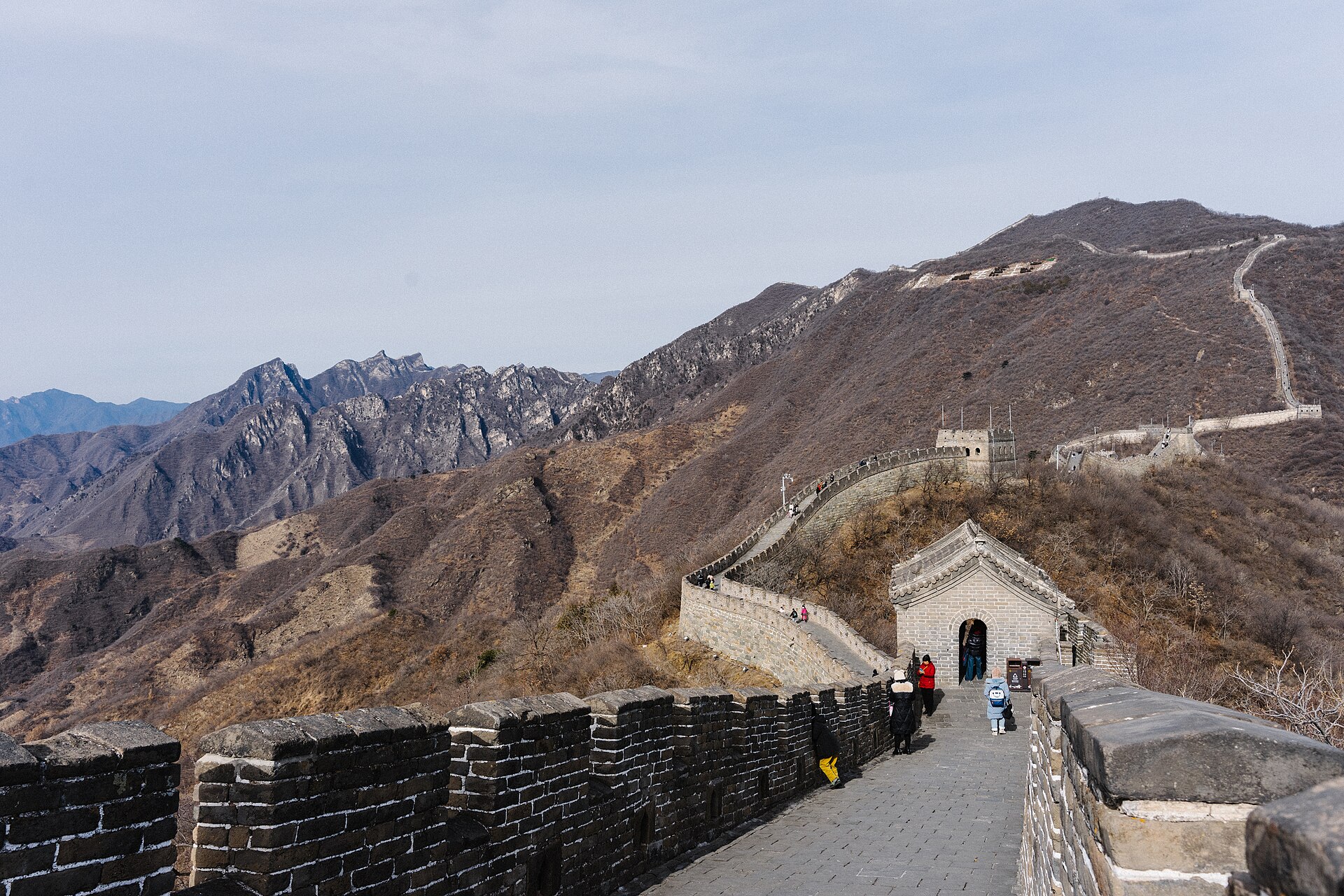
| 1 to 4 | Beijing | Forbidden City, Temple of Heaven, a hutong walk, the Great Wall at Mutianyu |
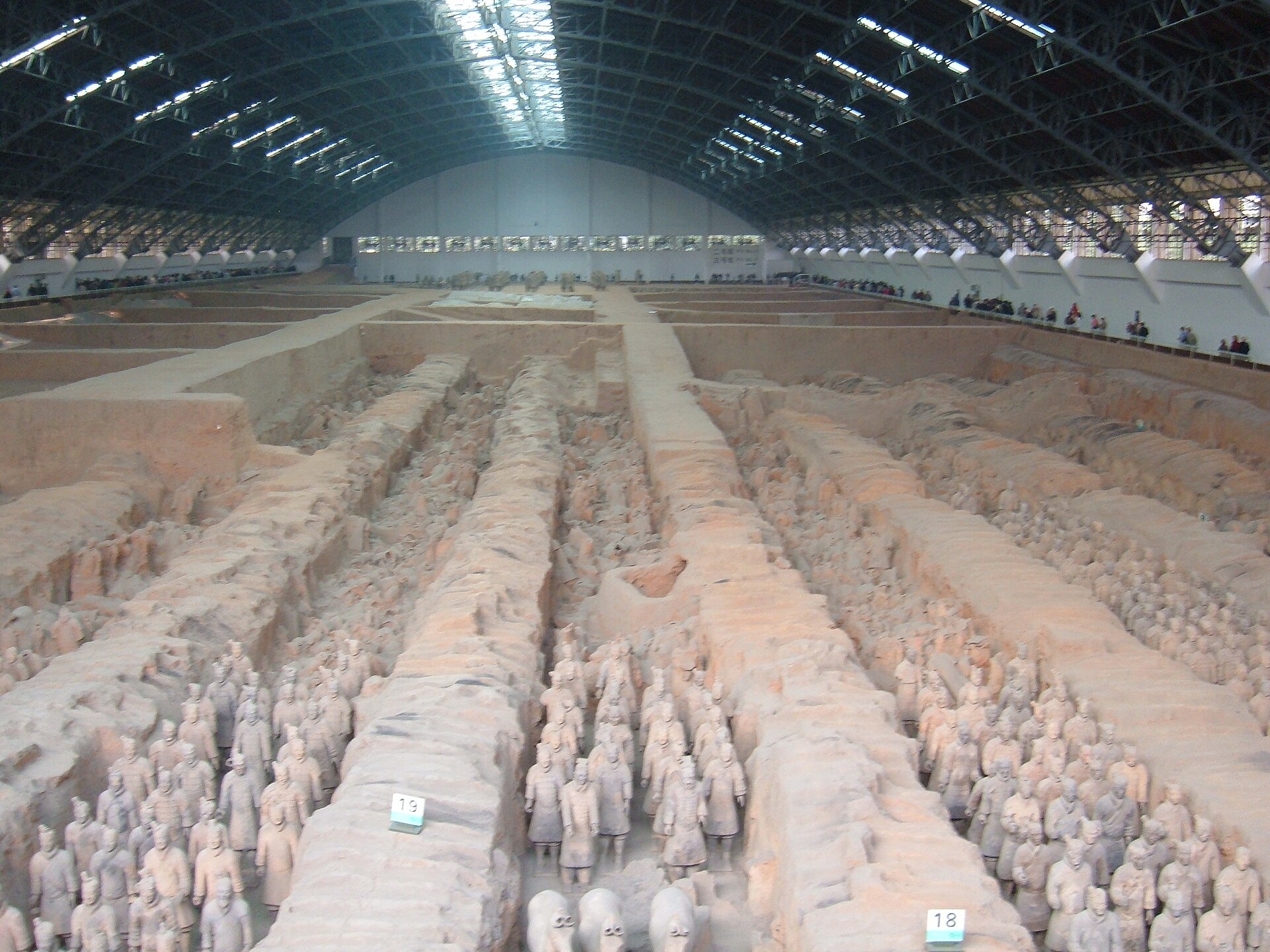
| 5 to 6 | Xi’an | Terracotta Army, the city wall, the Muslim Quarter (high-speed train from Beijing) |
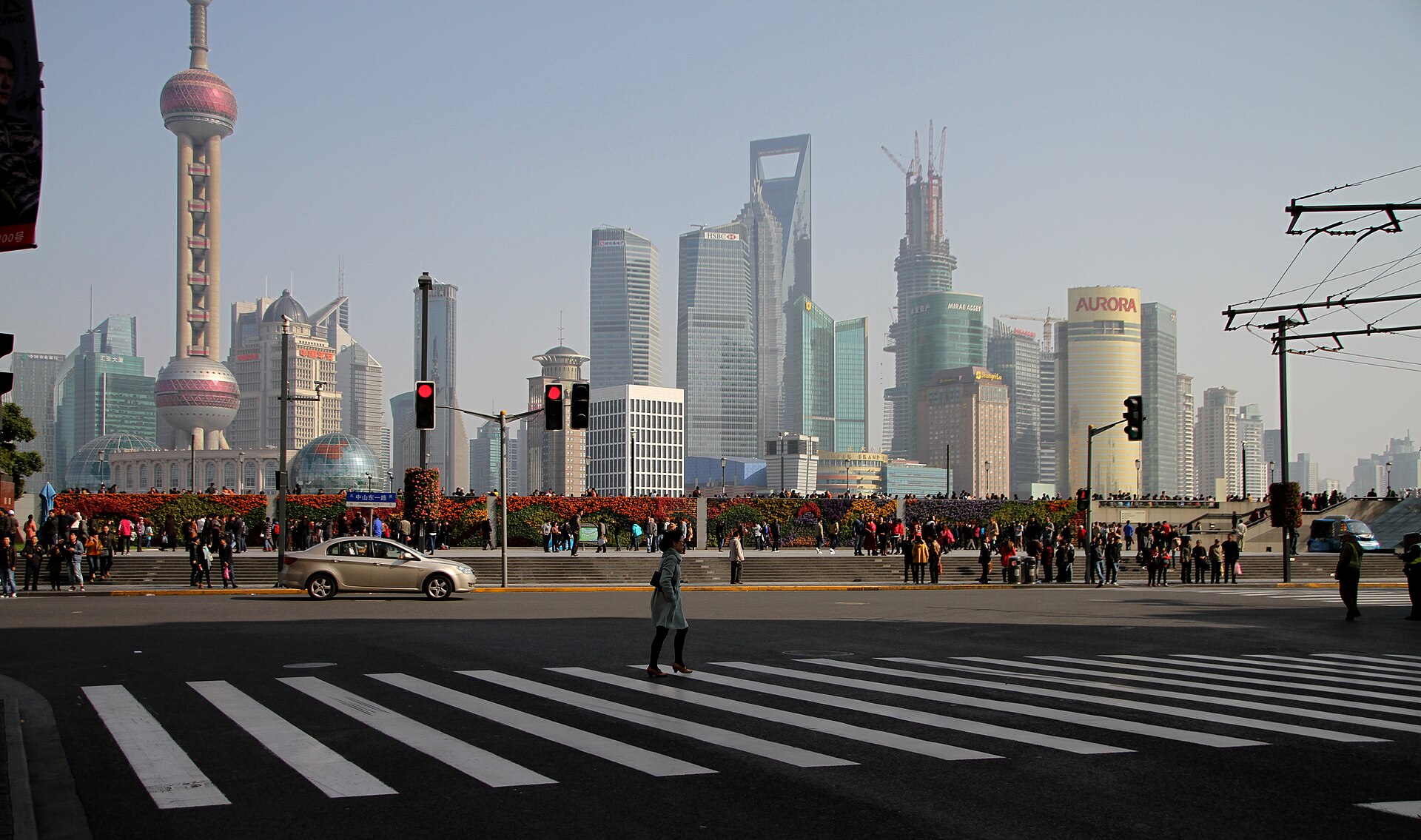
| 7 to 10 | Shanghai | The Bund, Yu Garden, the French Concession, a day in Zhujiajiao or Suzhou |
The Forbidden City was built between 1406 and 1420 and has been a UNESCO World Heritage Site since 1987. Mutianyu is a Great Wall section about 70 km northeast of central Beijing, and farmers found the Terracotta Army near Xi’an in 1974.
14 days: add Guilin or Chengdu
Add the Li River and Yangshuo’s karst landscapes from Guilin, or the giant pandas and Sichuan food of Chengdu. Both fit between Xi’an and Shanghai by high-speed train or a short flight. For a family version, read China family tours, and for a slower pace, China tours for seniors.
China with Japan or South Korea
Ten days in China on the visa-free transit, then a week in Tokyo and Kyoto or in Seoul, makes a natural two-week trip. See our Best of Japan & China journey. For a more indulgent version, read our luxury China itinerary, and for city detail, things to do in Beijing and Xi’an. To add the Three Gorges, see our Yangtze River cruise guide.
When to go
April to May and September to October are the most comfortable months, with mild weather and clear skies. Summer is hot and humid in much of the country, and winter is cold in Beijing, with the Harbin Ice Festival in the northeast from late December to February. Avoid the national holiday weeks around 1 May and 1 October, and Chinese New Year, when trains, hotels and sights are at their busiest.
Money, apps and staying connected
- Payments: China runs on mobile payments. Alipay and WeChat Pay can be linked to foreign credit cards before you travel, and it’s wise to carry some cash as a backup.
- Apps: Google, WhatsApp and many Western apps are blocked on local networks. A US roaming plan or an international eSIM usually keeps them working. Download offline maps and a translation app before you go.
- Passport: You need it for trains, hotels and many sights, so keep it with you.
Private tour or escorted group tour?
| Escorted group tour | Private tour | |
|---|---|---|
| Dates | Fixed departures | Any date you choose |
| Guide and transport | Tour leader and coach, shared | Your own guide and car in each city |
| Pace and stops | Set by the group itinerary | Flexible, such as the Great Wall early or no shopping stop |
| Suits | Set budgets and dates | First-timers who want less friction at stations and with apps and language |
Read China private vs group tours for how they compare. Absolute Asia Tours, founded in 1989, plans private China journeys for American travelers. See our China page and China tours.
How to choose a China tour company
- Does the company explain which entry option suits your route, and help with the visa or transit plan?
- Are hotels named, and are high-speed trains and domestic flights included?
- Will you have a licensed English-speaking guide in each city?
- Are there shopping stops? Private tours should have none unless you ask.
- Do you get an itemized quote that shows what’s included and what isn’t?
- Who do you call during the trip, in your own time zone?
Our guide on how to choose a luxury Asia tour operator has the full checklist, and first time traveling to China covers practical tips. Ready to start? Plan your trip with a China specialist.
Sources: National Immigration Administration, Visa-Free Transit Policies (20 August 2026); Wikipedia on the Forbidden City, the Great Wall of China, Mutianyu and the Terracotta Army. Entry rules change often. Last checked 7 November 2026.
Frequently asked questions
Do US citizens need a visa for a China tour?
Yes, unless you use the 240-hour visa-free transit. The US is not on China’s 30-day visa-free list, so a round trip from the US needs a tourist (L) visa. A trip that continues to a third country, such as Japan or South Korea, can use the visa-free transit for up to ten days.
What are the best China tour packages for first-time visitors?
A 10-day route through Beijing, Xi’an and Shanghai covers the Great Wall, the Forbidden City, the Terracotta Army and the Bund. With 14 days, add Guilin’s karst scenery or Chengdu’s pandas.
How many days do you need for a China tour?
Ten days for Beijing, Xi’an and Shanghai; fourteen to add Guilin or Chengdu; three weeks to include Tibet or the Silk Road.
How much does a tour to China cost?
It depends on the length, the hotels, the season and whether the tour is private or in a group, so we don’t quote a figure here. Ask any company for an itemized quote that shows what’s included.
Are there direct flights from the USA to China?
Yes, from some US gateways to Beijing and Shanghai, though schedules are limited. Check the airlines’ current timetables. Connecting through Tokyo, Seoul or Hong Kong is common.
What is the best time to tour China?
April to May and September to October, avoiding the national holiday weeks around 1 May and 1 October and Chinese New Year.
Are escorted tours or private tours better for China?
Escorted tours suit a fixed budget and dates. Private tours give you your own guide and car, chosen hotels and flexible timing, which most first-time visitors find easier.
Can I combine China with Japan or South Korea?
Yes. Flying from China to Japan or South Korea also lets US citizens use the 240-hour visa-free transit for the China part of the trip.