| Gulangyu | UNESCO World Heritage Site since 8 July 2017; under 2 km²; about 20,000 residents; no motor vehicles except island electric carts |
|---|---|
| Gulangyu’s foreign era | international settlement from 1902, with consulates of 13 countries |
| Fujian Tulou | about 3,000 buildings; 46 listed in 2008 |
| Hulishan Fort | built 1894 to 1896; 280 mm Krupp gun; national protected site 1996 |
| Xiamen’s name | from the Ming garrison of 1387, ‘gate of the great house’ |
| Treaty port | opened after the Treaty of Nanjing, 1842 |
Discover Xiamen: A Charming Coastal City with History, Beaches, and Culture
Xiamen is a port city on China’s southeast coast, with colonial-era buildings on Gulangyu and sandy beaches. Spread across the mainland coastline and Xiamen Island—separated by a narrow strait—the city also includes the charming Gulangyu Island, a former European and Japanese settlement known for its Victorian-era buildings and pedestrian-only streets.
With warm temperatures year-round, Xiamen attracts many domestic tourists and is gradually gaining attention from international travelers. Highlights include visiting Gulangyu Island, exploring the unique Fujian tulou communal homes, wandering the battlements of Hulishan Fort, and experiencing Buddhist culture at Nanputuo Temple.
Things to See and Do in Xiamen
Fujian Tulou: The Earth Houses of the Hakka Minority
Located about two hours west of Xiamen, the tulou are distinctive ring-shaped communal homes built by Hakka and Hokkien families. These large earthen buildings housed an extended family together and doubled as fortresses against attack. About 3,000 tulou stand in Fujian, and 46 of them were listed as a World Heritage Site in 2008. Most are in Yongding district of Longyan and in Nanjing, Zhangzhou County, so visits are by road from Xiamen.
Gulangyu Island
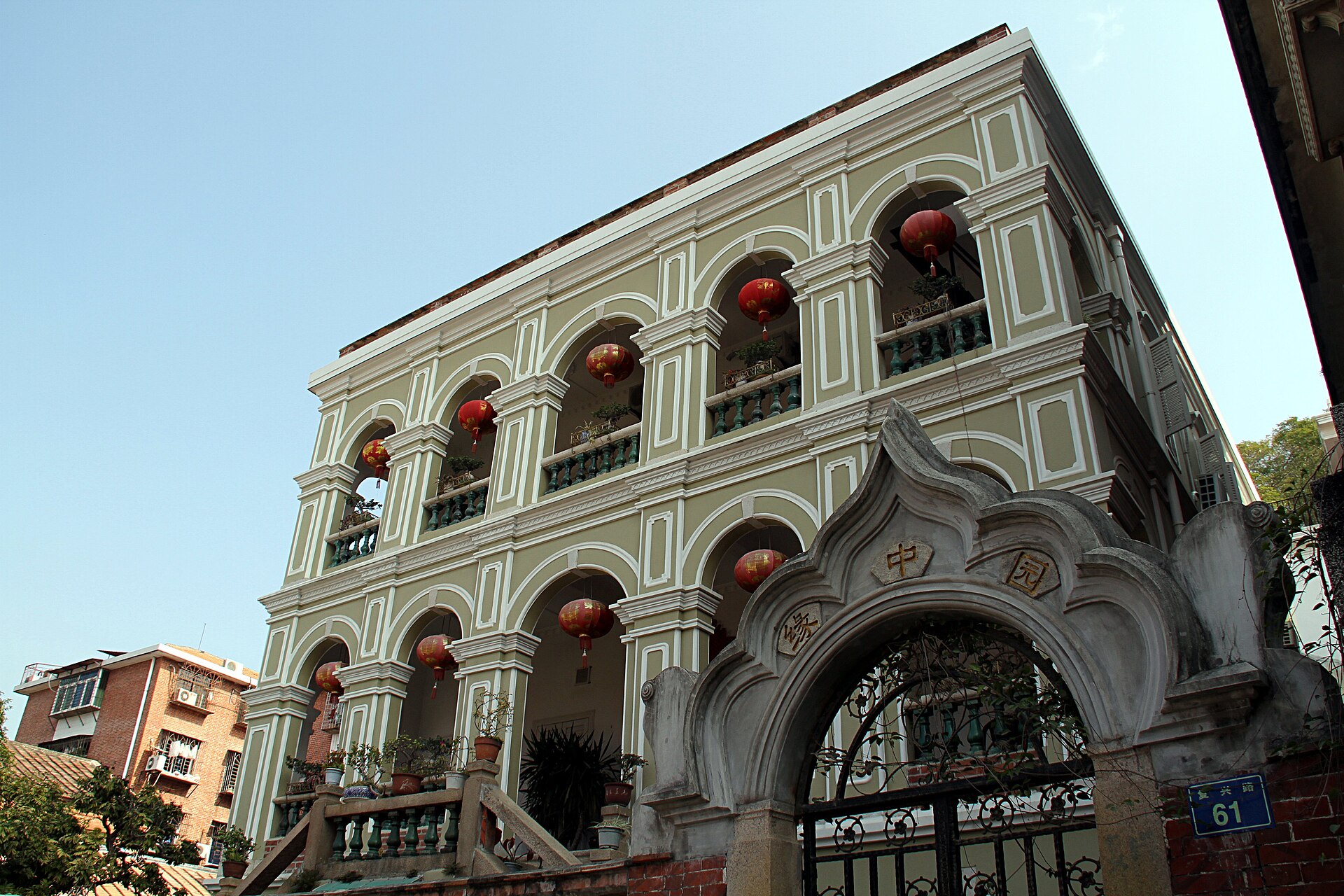
A short ferry ride from Xiamen, Gulangyu Island has sandy beaches, rocky outcrops and colonial-era villas. Cars are banned, and island electric carts are the only motor vehicles. Climb Sunlight Rock, the island’s highest point, for a view over the whole island, and visit Shuzhuang Garden and the Piano Museum.
Hulishan Fort
Perched on the southern coast of Xiamen Island, Hulishan Fort overlooks the sea at the southeast tip of Xiamen Island. It was built between March 1894 and October 1896, and its 280 mm Krupp coastal gun is the largest 19th-century gun of its kind still in existence. The fort has been a national protected site since 1996 and a Guinness record holder since 2000.
Xiamen Beaches
Xiamen’s sandy beaches provide a refreshing escape. Huangcuo Beach is quieter and perfect for peaceful strolls, while Baicheng Beach offers water sports like jet skiing and a scenic cycling path along the shoreline.
Nanputuo Temple
This Buddhist temple has more than a thousand years of history and a Minnan-style layout, set against the hill behind it. It was repaired and enlarged in 1684 with a donation from the admiral Shi Lang, and it was named Nanputuo then, for its Guanyin hall. The temple’s main halls—the Heavenly King Hall, Great Treasure Hall, and Hall of Great Compassion—offer spiritual and cultural insight against the backdrop of the Wulao Peaks and the sea.
Xiamen Museum
Explore around 20,000 cultural relics from Fujian and Taiwan provinces at this modern museum, which showcases ancient ceramics, paintings, jade, calligraphy, and more. With free entry, English audio guides, and professional guides available, it’s an enriching stop for history enthusiasts.
Best Time to Visit Xiamen
For pleasant weather and fewer crowds, visit between April and May or October and November. Avoid summer months and Chinese national holidays when domestic tourists flock to the city’s beaches.
Gulangyu in brief
Gulangyu is a small island less than two kilometers across, about 1,000 meters from Xiamen’s city center, with a highest point of 92.7 meters at Sunlight Rock. After the 1842 treaty port opening, it became an international settlement in 1902, signed by nine consuls, and 13 countries opened consulates there. That history explains its mix of villas, churches and consular buildings. China’s first kindergarten was founded on the island in 1898. UNESCO listed the “Kulangsu historic international settlement” on 8 July 2017. Only island electric carts are allowed, so you explore on foot.
How many days
Two days covers Gulangyu, Nanputuo, Hulishan and the old streets. Add a day or an overnight for the tulou. Our China tours show how Xiamen fits with Hong Kong and Guangdong.
Sources (read in Chinese, Chinese Wikipedia): 厦门市, 鼓浪屿, 南普陀寺, 福建土楼, 胡里山炮台. Last checked November 2026.
Xiamen: FAQ
Is Gulangyu a World Heritage Site?
Yes. UNESCO listed it on 8 July 2017.
Can you drive on Gulangyu?
No. Only island electric carts are allowed, so you walk.
How many Fujian tulou are World Heritage?
46 buildings in groups, listed in 2008, out of about 3,000 tulou in Fujian.
Where does the name Xiamen come from?
From the Ming garrison built in 1387 at the mouth of the Jiulong River, called Xiamen, gate of the great house.
How many days do you need in Xiamen?
Two days for the city and Gulangyu, plus one more for the tulou.
Photo: Rolfmueller, Wikimedia Commons, CC BY-SA 3.0. A villa on Gulangyu Island, Xiamen.
