| Name | given as an administrative name by Emperor Thieu Tri in 1841; Dien means to establish and Bien means frontier |
|---|---|
| Old center | Muong Thanh, from the Thai Muong Then, ‘land of heaven’ |
| Dien Bien Phu battle | 1954, in the Muong Thanh valley, between the Vietnam People’s Army under Vo Nguyen Giap and French forces under Christian de Castries |
| Thieu Tri’s prefecture | three districts: Ninh Bien, Tuan Giao and Lai Chau |
The name of the province derives from a Sino-Vietnamese word which means “stable frontier”. Being a long history province which was inhabited since the 9th century, Dien Bien is proud of its natural scenery like Pa Thom cave as well as historical locations like Dien Bien Phu Vestige.
With many mountains stretching from north to west, south to east, Dien Bien’s geographical features consist of forests, small plains, narrow valleys, and more. The largest area of the province is Muong Thanh Valley, where we can easily spot the daily activities of the ethnic people here at every corner on their way to markets in early mornings, or back to their villages.
About 9-10 km from the west of Dien Bien Phu city, in Noong Het village, Dien Bien district is Ban Phu Citadel – an attractive destination which you must see on your Vietnam travel paths. Built in the Le Dynasty, the citadel is the work of General Hoang Cong Chat who led a peasant uprising against the oppressive Trinh Lord and turned away Phe invaders from the North, and hence librating the people of Dien Bien.
The spectacular Pa Thom Cave is located in Pa Thom village, also in the west of Dien Bien district. Usually, the cave is called by the local people here as Tham Nang Lai, meaning “a cave which is full of fairies”. Apart from being a natural wonder, Pa Thom Cave is also a holy place in the belief of Dien Bien local people with several myths about love and loyalty, making the Cave a romantic place for travelers.
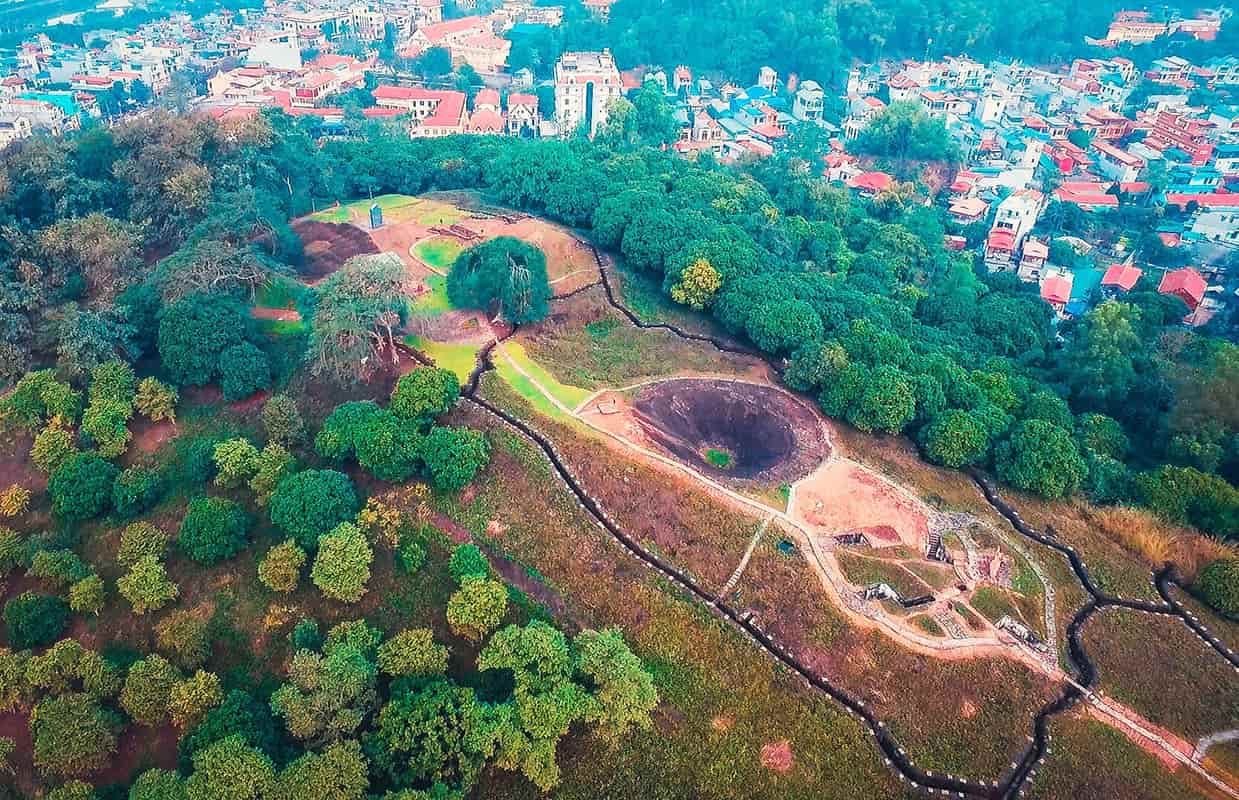
Dien Bien is also well known for a wide variety of vestiges due to the historic victory of Dien Bien Phu campaign, in the resistance war against French army. Typical examples of this are the underground hideout of French General De Castries which has been in good preservation (its original shape, structure and dimension are still maintained), Hill A1 in Muong Thanh Ward, Doc Lap Hill, and Dien Bien Phu History Museum. All of the vestiges remind people in Vietnam as well as in the world of a fierce but proud battlefield in war time.
The specialties of a unique mountainous area at Dien Bien can satisfy even the most demanding visitors. Here, you can immense yourselves enjoying caterpillar fungus wine (ruou sau chit), bee wine, drying buffalo meat, drying beef, along with a wide range of special types of rice and sticky rice.
Name and history
Vietnamese Wikipedia says the name Dien Bien first appeared as an administrative name set by Emperor Thieu Tri in 1841: Dien means to establish and Bien means frontier. His Dien Bien prefecture had three districts, Ninh Bien, Tuan Giao and Lai Chau. The old center was called Muong Thanh, from the Thai Muong Then, meaning the land of heaven, tied to the origin legend of the Thai people. The place is known worldwide for the 1954 battle in the Muong Thanh valley between the Vietnam People’s Army under General Vo Nguyen Giap and French forces under General Christian de Castries. Visit the battlefield remains with a guide who can explain the sites, and check opening hours before you go.
Sources (read in Vietnamese, Vietnamese Wikipedia): Điện Biên Phủ. Last checked November 2026.
Dien Bien: FAQ
What does Dien Bien mean?
Dien means to establish and Bien means frontier. Emperor Thieu Tri gave the name in 1841.
What was Dien Bien Phu’s old name?
Muong Thanh, from the Thai Muong Then, meaning the land of heaven.
What happened at Dien Bien Phu in 1954?
A decisive battle in the Muong Thanh valley between Vietnamese forces under Vo Nguyen Giap and French forces under Christian de Castries.
What districts made up Thieu Tri’s Dien Bien prefecture?
Ninh Bien, Tuan Giao and Lai Chau.
How many days do you need in Dien Bien?
One to two days for the battlefield sites.